Quick Answer: Is Your New Bethel Roof Actually Failing?
Not every issue means you need a full replacement. Here is how to tell the difference between normal aging, repairable damage, and true end of life failure:
- Normal aging (no action needed): Minor granule loss, occasional missing shingles after severe storms, slight color fading.
- Repairable damage (targeted work): Isolated leaks, small missing patches, failed flashing on one penetration, localized storm damage.
- End of life failure (replacement required): Widespread shingle deterioration, multiple leaks, major granule loss, sagging deck, consistently appearing damage.
The Difference Between Aging and Failing
All asphalt shingles age. That is normal and expected. The question New Bethel homeowners need to answer is whether their specific roof has aged to the point of failure or still has service life remaining. Three factors determine the answer: physical condition, current performance, and remaining service life.
Physical Condition
A roof can look worn and still function perfectly. A roof can look acceptable and still be one storm away from catastrophic failure. What matters is the condition of specific elements:
- Sealant strips: The thermal activated adhesive that bonds shingle courses together. Once sealant strips fail, wind damage becomes likely even in moderate conditions.
- Shingle integrity: Whether individual shingles remain flexible and intact or have become brittle and prone to cracking.
- Flashing condition: The metal components around penetrations like chimneys and vents. Failed flashing is the most common source of leaks on otherwise healthy roofs.
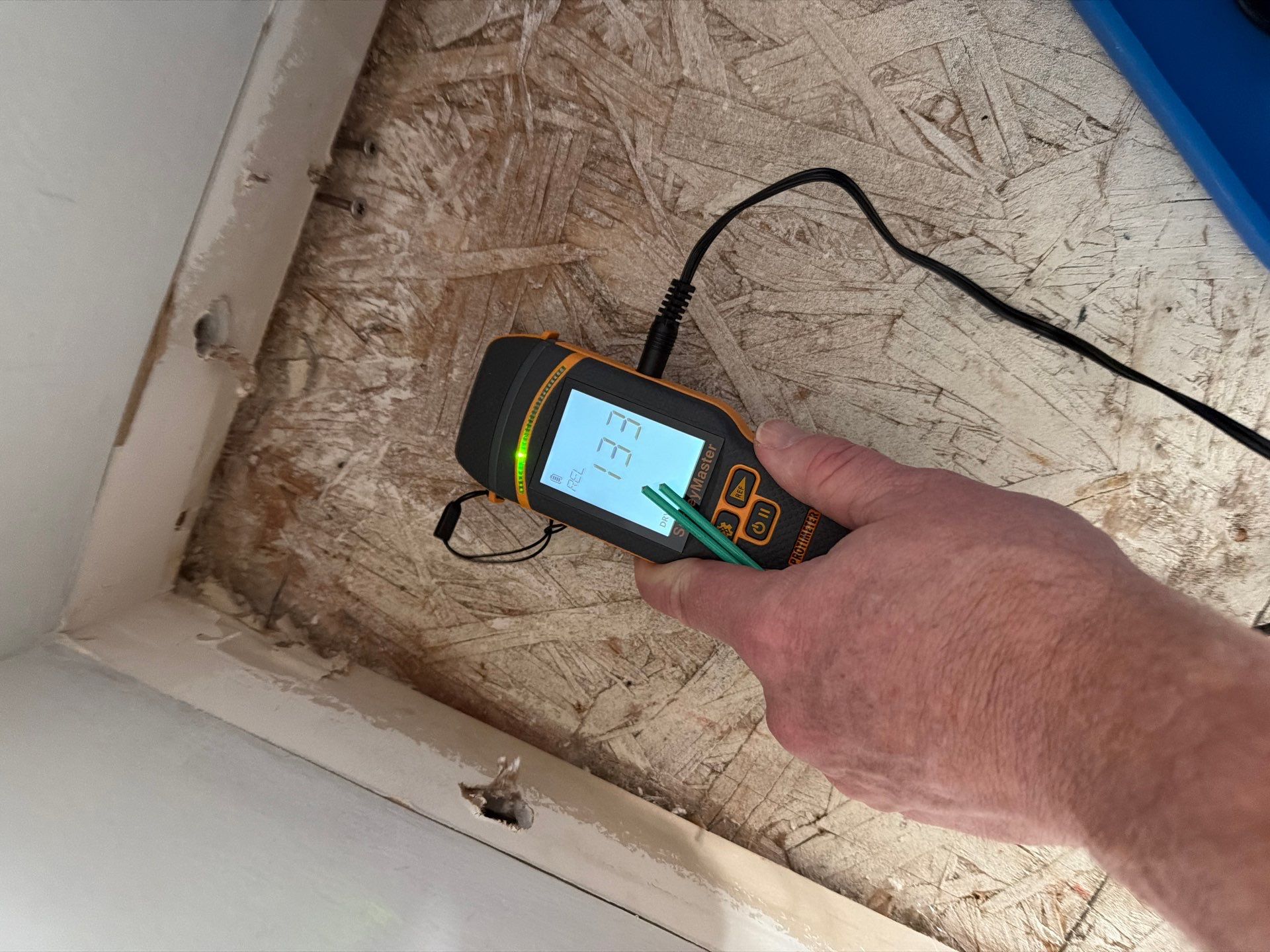
- Decking integrity: The plywood or OSB sheets under the shingles. Soft, spongy, or rotted decking cannot hold new shingle nails properly.
Current Performance
A roof is performing its job if water stays out, wind cannot lift shingles significantly, and no mold or moisture damage is occurring in the attic. A roof is failing when any of those conditions are no longer true:
- Water entering: Active leaks, even minor ones that dry quickly between rain events.
- Wind damage: Shingles routinely lifting or tearing in normal wind conditions.
- Attic moisture: Condensation, damp insulation, or visible mold growth.
- Heat issues: Excessive attic temperatures in summer (indicating ventilation or insulation failures that often accompany aging roofs).
Remaining Service Life
Even roofs performing well today have limited remaining life. Professional inspectors estimate remaining life based on shingle condition, granule loss patterns, and wear evidence. Here is what that assessment typically concludes:
| Remaining Life Estimate | What It Means | Recommendation |
|---|---|---|
| 15+ years | New or like new condition | Routine maintenance only |
| 8-15 years | Mid service life | Targeted repairs as needed |
| 3-8 years | Approaching end of life | Budget for replacement, avoid major repairs |
| Under 3 years | End of life condition | Schedule replacement now |
| Active failure | Immediate replacement required | Replace before further damage |
When to Get a Professional Inspection
Every New Bethel homeowner should get a professional roof inspection in these situations:
- After any major storm event that affected your area
- Before buying or selling a home to avoid disputes during transactions
- Annually on roofs over 15 years old to track end of life progression
- Immediately after any interior leak regardless of how minor
- When considering any major exterior project like siding, solar, or additions
Our Team offers free inspections for New Bethel homeowners. If your roof does not need work, we will tell you. That honest assessment is the whole reason we have built our business in New Bethel.
Common Situations That Confuse New Bethel Homeowners
Situation 1: The Roof Looks Terrible But Is Only 10 Years Old
Premature aging is a real problem in New Bethel, especially on roofs with:
- Inadequate attic ventilation (which cooks shingles from below)
- Poor original installation (improper nailing, inadequate underlayment)
- Installation by unqualified contractors using cheap materials
- Defective shingle batches from certain manufacturer production runs
If your New Bethel roof shows severe wear before year 15, investigate the underlying cause before replacing. Installing a new roof over the same ventilation problems will produce the same premature failure in another 10 years.
Situation 2: The Roof Looks Fine But Is 25 Years Old
Surface appearance can be misleading on older roofs. A 25 year old asphalt shingle roof that still looks acceptable from the ground is almost always near the end of its service life despite appearances. Common issues on older roofs that look fine from the ground:
- Sealant strip failure that is invisible but makes the roof vulnerable to wind
- Brittle shingles that look normal but crack when stepped on or disturbed
- Hidden flashing failures around chimneys and skylights
- Inadequate ice and water shield that older installations sometimes lack
A professional inspection is essential for roofs over 20 years regardless of surface appearance.
Situation 3: The Insurance Adjuster Denied My Claim
Denied claims happen for several reasons that do not necessarily mean your roof is fine:
- Damage below deductible threshold: Real damage that did not exceed your policy's deductible amount.
- Cosmetic damage exclusions: Some policies exclude hail damage that does not immediately cause leaks.
- Disputed damage cause: Adjuster believes damage is from wear rather than the storm event.
- Missing documentation: Claim lacked photographic evidence or professional assessment.
A denied claim does not mean your roof is safe to leave alone. It often means the damage was not documented correctly or the claim was filed without proper professional support. Our Team frequently helps New Bethel homeowners successfully appeal denied claims with proper documentation.